
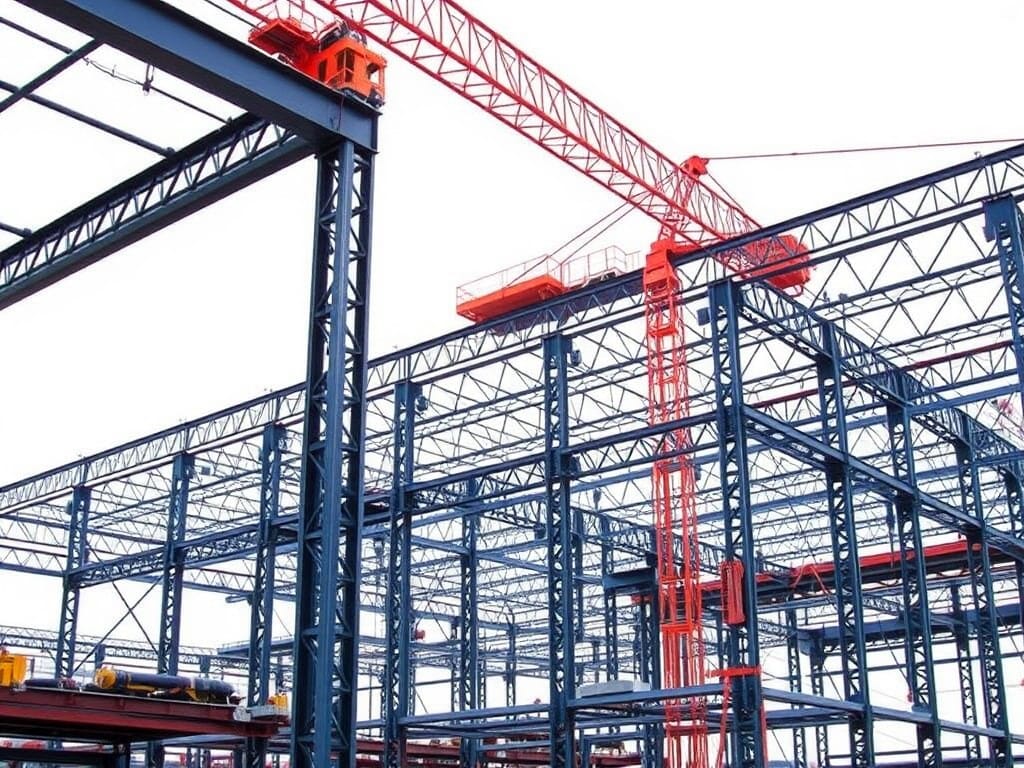

Steel construction forms the backbone of modern infrastructure, from towering skyscrapers to robust industrial facilities. For engineers, mastering essential calculations isn’t just about following building codes – it’s about ensuring safety, optimizing costs, and delivering excellence in every project. Let’s dive into the seven fundamental calculations that can make the difference between project success and costly failures.
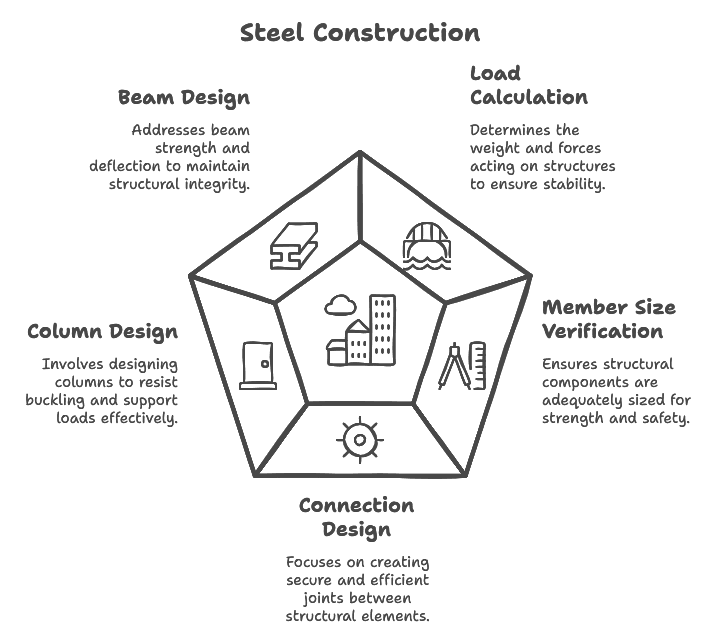
1. Load Calculation and Analysis
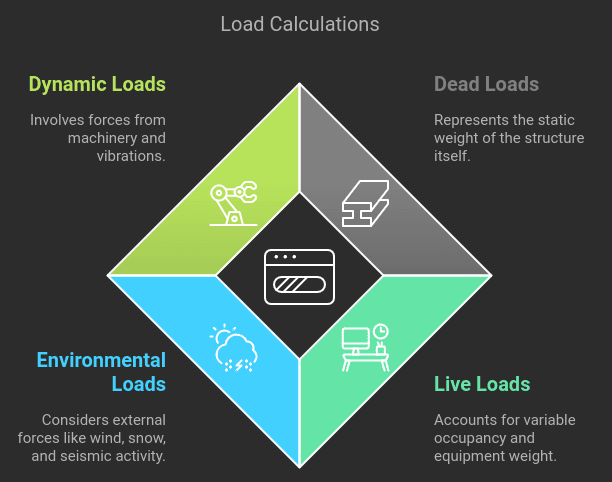
The foundation of any steel structure begins with accurate load calculations. Engineers must consider:
- Dead loads (structural weight)
- Live loads (occupancy, equipment)
- Environmental loads (wind, snow, seismic)
- Dynamic loads (machinery, vibration)
A recent study by the American Institute of Steel Construction showed that 40% of structural failures stem from improper load calculations. Engineers should use the LRFD (Load and Resistance Factor Design) method, which provides a reliability-based approach to structural design.
2. Member Size and Strength Verification
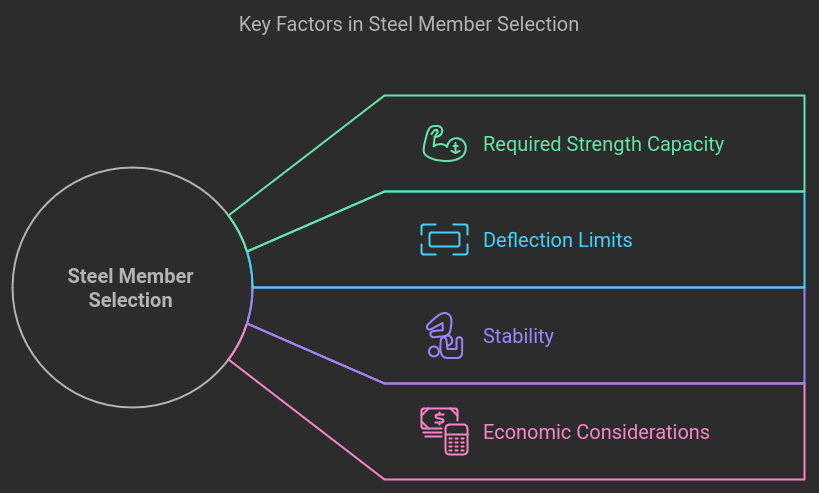
Selecting the right steel member size requires careful consideration of:
- Required strength capacity
- Deflection limits
- Local and global stability
- Economic considerations
Pro tip: Use the moment of inertia (I) calculation to determine the optimal section size: I = bh³/12 (for rectangular sections)
3. Connection Design Calculations
Connections are critical weak points in steel structures. Essential calculations include:
- Bolt shear strength
- Bearing strength
- Block shear rupture
- Weld strength
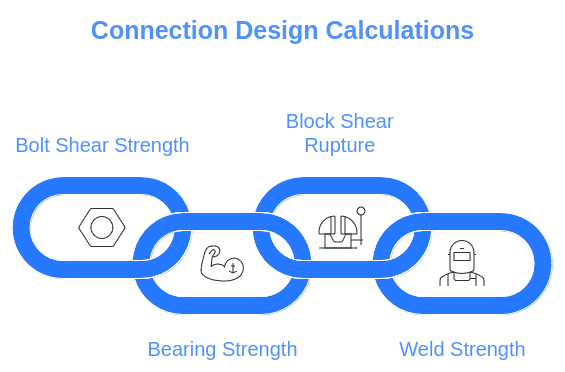
Research indicates that nearly 60% of steel structure failures occur at connections. Double-checking these calculations can prevent catastrophic failures.
4. Column Design and Buckling Analysis
Key considerations for column design include:
- Slenderness ratio
- Effective length
- Critical buckling load
- Combined axial and bending stresses
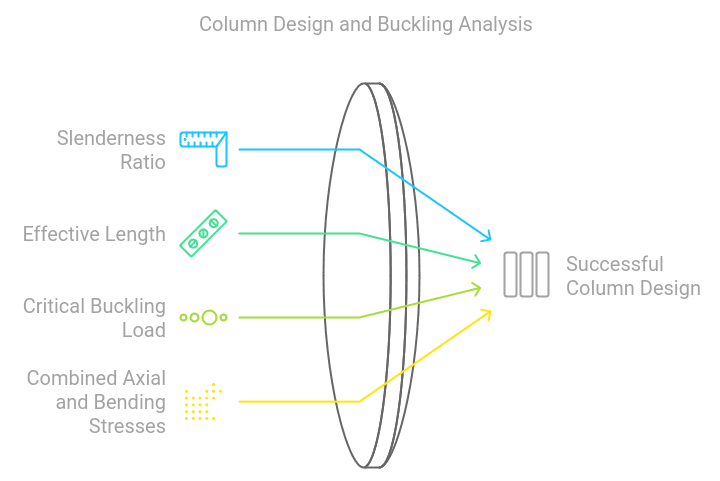
The Euler buckling formula (Pcr = π²EI/L²) serves as the foundation for these calculations.
5. Beam Design and Deflection Checks
Essential beam calculations involve:
- Bending moment capacity
- Shear strength
- Serviceability limits
- Lateral-torsional buckling
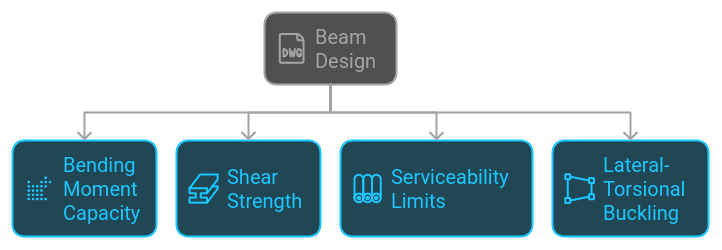
Remember: Maximum deflection typically shouldn’t exceed L/360 for floor beams and L/240 for roof beams.
6. Foundation Interface Calculations
The steel-to-foundation interface requires careful attention to:
- Base plate design
- Anchor bolt requirements
- Edge distance calculations
- Moment transfer mechanisms
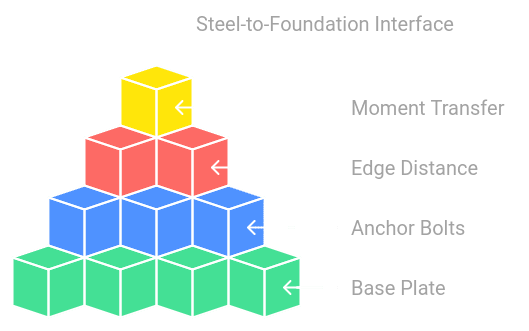
Industry data suggests that 25% of steel structure issues arise from inadequate foundation interface design.
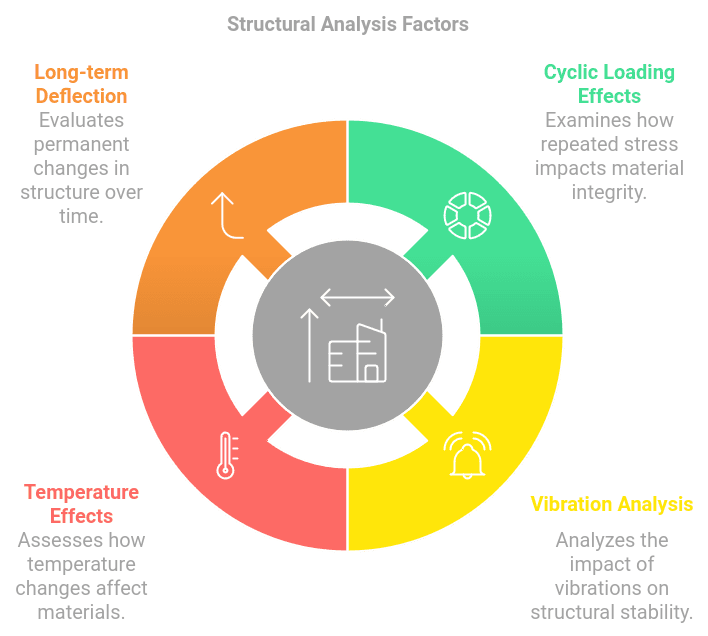
7. Fatigue and Serviceability Calculations
Don’t overlook these critical calculations:
- Cyclic loading effects
- Vibration analysis
- Temperature effects
- Long-term deflection
Modern engineering software can help, but understanding the underlying principles remains crucial.
Practical Tips for Implementation
- Always use current design codes and standards
- Document all assumptions and calculations
- Implement peer review processes
- Use appropriate safety factors
- Consider construction sequencing
Conclusion
Mastering these seven essential calculations isn’t optional – it’s fundamental to successful steel construction engineering. Remember that while software tools are valuable, understanding the underlying principles ensures you can catch errors and make informed decisions. Stay current with industry standards and never stop learning.